





California’s business environment is always changing, so it’s important to have access to correct and up-to-date information about companies. The Business Lookup California is very helpful for anyone who wants to start a new business, do study, or just check on the status of a potential business.
This piece will show you how to use this tool correctly so that you can find the information you need about an official entity.
Understanding Business Lookup California
The California Secretary of State’s Business Lookup California tool is a wealth of information that you can access online. Users can look for corporations, limited liability companies (LLCs), partnerships, and other types of business entities listed in the state.
This tool is necessary for anyone who wants to find out about a business’s activities, confirm its legal status, or see if it is registered.
Importance of Business Lookup
Conducting a business lookup is vital for several reasons:
- Verification of Legal Status: Ensuring that a business is legally registered and in good standing is crucial for compliance and legal purposes.
- Avoiding Name Conflicts: Before establishing a new business, checking existing names can prevent potential conflicts and rejections during the registration process.
- Researching Competitors: Understanding the landscape of existing businesses can provide insights into market trends and competition.
How to Access the Business Lookup Tool
Accessing the Business Lookup California tool is straightforward. Here’s how you can get started:
- Visit the Official Website: Navigate to the California Secretary of State’s website.
- Locate the Business Search Section: Find the section dedicated to business entities, which typically includes links to various search tools.
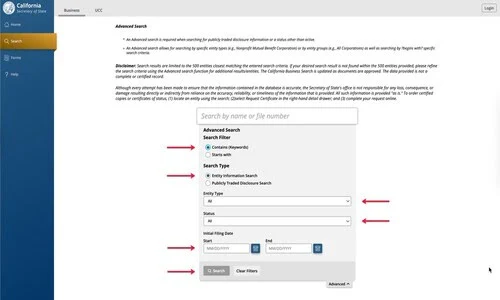
- Choose Your Search Type: You can perform a basic search using the business name or entity number, or opt for an advanced search for more specific queries.
Basic Search vs. Advanced Search
- Basic Search: This option allows you to enter the full or partial name of the business or its entity number. It’s ideal for quick checks.
- Advanced Search: This feature offers additional filters, such as entity type, status, and filing date, enabling a more refined search.
Conducting a Basic Search
To perform a basic search, follow these steps:
- Enter Search Criteria: Input the business name or entity number in the designated search box.
- Initiate the Search: Click the search icon to retrieve results.
- Review Results: The results will display a list of entities matching your criteria, including their status and filing dates.
Interpreting Search Results
Once you have your search results, it’s essential to understand the information presented:
- Entity Name: The official name of the business.
- Status: Indicates whether the entity is active, suspended, or dissolved.
- Filing Date: The date the business was registered.
- Entity Type: Specifies whether it’s a corporation, LLC, or another type of entity.
Utilizing Advanced Search Features
For more detailed inquiries, the advanced search option is invaluable. Here’s how to make the most of it:
- Select Filters: Choose from various filters such as entity type, status, and filing date.
- Input Additional Information: Provide any other relevant details to narrow down your search.
- Analyze the Results: The advanced search will yield a more targeted list of entities, making it easier to find the specific information you need.
Benefits of Advanced Search
- Precision: Allows for a more focused search, reducing the time spent sifting through irrelevant results.
- Comprehensive Data: Access to detailed information about each entity, including its registered agent and contact details.
Understanding Entity Status
When conducting a business lookup, understanding the status of an entity is crucial. You can come across these frequent states:
- Active: The entity is authorized to conduct business in California.
- Suspended: The entity’s right to operate has been temporarily revoked, often due to non-compliance with state regulations.
- Dissolved: The entity has been formally terminated and is no longer in operation.
- Canceled: The entity’s formation filing was canceled, usually due to issues like dishonored payments.
Implications of Status Changes
Changing your title can have big effects on how your business runs. For example, a suspended company might have to deal with fines or legal problems, while a dissolved entity can’t do any business.
Accessing Detailed Entity Information
After locating a business entity, you can access detailed information by clicking on its name in the search results. This will typically provide:
- Contact Information: Details about the business’s registered agent and principal address.
- Filing History: A record of significant filings, including annual reports and amendments.
- Compliance Status: Information regarding the entity’s standing with the California Secretary of State and the Franchise Tax Board.
Importance of Detailed Information
Having access to comprehensive details about a business entity is essential for:
- Due Diligence: Ensuring that you are entering into contracts or partnerships with legitimate entities.
- Compliance Checks: Verifying that the business is meeting its legal obligations.
- Market Research: Gathering insights into competitors and industry trends.
Common Business Structures in California
When using the Business Lookup California tool, you will encounter various business structures. Understanding these can help you navigate the search process more effectively:
- Corporations: These can be further classified into C corporations and S corporations, each with distinct tax implications.
- Limited Liability Companies (LLCs): Popular for their flexibility and protection against personal liability.
- Partnerships: Includes general partnerships and limited partnerships, each with different legal responsibilities.
Choosing the Right Structure
For legal and tax reasons, picking the right business form is very important. Each type has pros and cons that you should be aware of in order to make smart choices.
The Role of Registered Agents
California law says that every business must name a registered agent. Legal papers and legitimate letters sent on behalf of the business should be received by this person or organization.
Responsibilities of a Registered Agent
- Receiving Legal Notices: Ensuring that the business is informed of any legal actions or requirements.
- Maintaining Compliance: Helping the business stay compliant with state regulations by forwarding important documents.
Finding Registered Agent Information
The Business Lookup tool tells you about each entity’s listed agent, so you can check their information and make sure it’s correct.
Filing Requirements and Fees
Understanding the filing requirements and associated fees is essential for maintaining compliance. Here’s a breakdown of what to expect:
- Annual Filings: Corporations must file annual reports, while LLCs typically file biennial reports.
- Filing Fees: Fees vary depending on the entity type, with corporations generally facing higher costs than LLCs.
- Penalties for Non-Compliance: Failing to file on time can result in significant penalties, including late fees and potential suspension of business operations.
Staying Compliant
Regularly checking on the status of your business and making sure that your paperwork is filed on time can help you avoid problems and stay in good standing with the state.
Utilizing Third-Party Services
The website of the California Secretary of State is the best place to look up business information, but there are also a number of third-party services that can make your search easier. Most of the time, these platforms offer extra benefits like:
- Real-Time Alerts: Notifications for important filing deadlines and compliance issues.
- Comprehensive Reports: Detailed reports that include financial data and business history.
- User-Friendly Interfaces: Simplified search processes that make it easier to find the information you need.
Choosing the Right Service
When choosing a third-party service, make sure you pick a trustworthy one by looking at things like price, features, and user reviews.
Conclusion
The Business Lookup California tool is a must-have for anyone who needs to find legal information about businesses in the state.
If you know how to use this tool well, you can check legal statuses, avoid name conflicts, and do a lot of study on businesses that are already up and running.
If you use this tool, you will be able to make smart business choices in California, whether you are starting a new business or just looking for information.
You May Also Like: Top 10 Profitable Small Business Ideas in the USA for 2025